
The Quiet Normalisation of Military Aesthetics
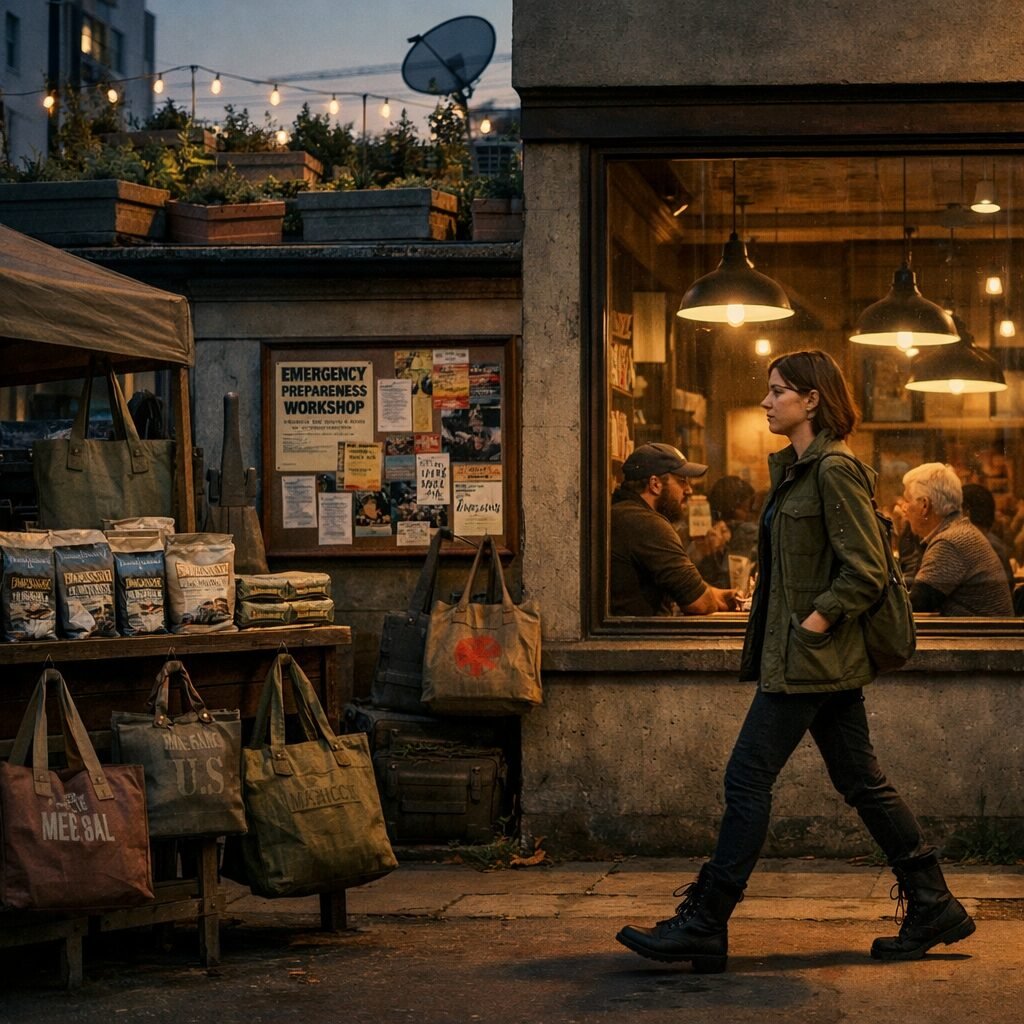
Across high fashion runways, high-street rails and smartphone wallpapers, the visual language of conflict has seeped into everyday style. Camouflage has been stripped of its tactical function and reframed as pattern; field jackets sit alongside tailored blazers; combat boots complete corporate-casual outfits. This is not merely aesthetic borrowing but a cultural process of normalisation. Designers and brands repackage the symbolic authority of uniform — discipline, readiness, resilience — as a consumable virtue.
The result is ambivalence: shoppers adopt the look for its practicality and edge, while the provenance of those signifiers — strategies of state violence and survival — fades into background décor. In some cities, vintage military surplus stores have transformed into curated lifestyle shops that sell artisanal goods alongside retired field gear, blending authenticity and commodification in ways that interrogate where memory ends and marketing begins.
From Bunkers to Boudoirs: Home Design and the Aesthetics of Preparedness
The architecture of safety has migrated from civil defence manuals into interior design glossies. ‘Bunker chic’ is now a legitimate category: concrete textures, layered lighting, modular storage and dedicated ‘command’ corners for charging devices and organising documents. Far from a paranoid affectation, many homeowners cite climate anxiety and geopolitical uncertainty as reasons to incorporate durable materials and multi-purpose furniture.
This trend also reshapes communal spaces. Co-working hubs mimic control rooms with screens and centralised noticeboards; community centres host workshops on emergency skills alongside yoga classes. Designers market resilience as elegance, offering products that promise both aesthetic pleasure and practical preparedness, thereby folding the spectre of war into the comforting routines of domestic life.
Digital Conflict, Everyday Language: How Warcraft Became Workflow
War’s lexicon has colonised corporate and digital culture. Teams ‘deploy’ features, managers talk of ‘front lines’ and social media debates are described as ‘skirmishes’. These metaphors are not neutral: they shape perception, prioritising speed, aggression and binary victory conditions in contexts that once valued collaboration and nuance.
Meanwhile, technologies honed for conflict — satellite communications, encryption protocols, rapid logistics algorithms — have been repurposed for civilian convenience. Ride-hailing, global messaging and precision agriculture carry technical DNA from military research. The ethical question is whether the normalisation of such metaphors and tools desensitises societies to the human costs associated with their origin.
Rituals of Mourning and Memory as Social Currency
Public acts of remembrance have been reimagined through social media rituals. Hashtags, profile overlays and curated memorial posts function as modern wreaths: accessible, instantaneous and performative. For younger generations, participating in these rituals signals moral alignment and community belonging in the same way attending a civic ceremony once did.
There is a commodifying friction: memorial-themed apparel, NFT collections claiming to honour fallen soldiers, and commemorative watches blur the line between genuine remembrance and brand-driven sentiment. Yet the digitalisation of grief also creates new collective spaces where diasporas, veterans and activists negotiate memory, demand accountability and build solidarities across borders.
Gamification of Conflict and the Moral Imagination
Video games, AR experiences and simulators have made conflict legible — and often enjoyable — to a global audience. This gamification educates a generation about tactics and technology but risks simplifying moral complexity. Some games foster empathy by simulating civilian experiences; others reward ruthlessness and strategic detachment.
Beyond entertainment, gamified training platforms are reshaping leadership and civic engagement. Emergency-response simulations, community preparedness apps and interactive history modules use game mechanics to teach situational awareness. The key cultural shift is that play has become a primary mode of learning about — and emotionally processing — conflict, altering how societies imagine responsibility and consequence.
Cuisine, Logistics and the Global Pantry
War and military logistics have long shaped what people eat; that influence is quietly resurfacing in contemporary food culture. Shelf-stable meals, dehydrated goods and efficient packaging once designed for supply chains now populate backpacking aisles and urban pantries. Comfort foods associated with rationing cycles have been rehabilitated as retro-chic staples in cafés and farmer’s markets.
Simultaneously, pop-up soup kitchens, community larders and collective kitchens echo wartime practices of shared provisioning. The modern food movement borrows from those lessons in sustainability and waste reduction, turning austerity-era ingenuity into fashionable authenticity. What was once necessity becomes culinary identity.
Ethics, Commerce and the Risk of Aestheticising Suffering
Aspects of war become style, product and pastime, prompting a crucial ethical reckoning. Aesthetic adoption can honour resilience, but it can also erase context and sanitise trauma. Cultural producers — designers, filmmakers, tech developers — face the responsibility of acknowledging origins and impacts when they repurpose wartime tropes.
Urban cultures will continue to absorb and transform the languages of conflict. The question for the next decade is whether societies will use these borrowings to build critical literacy and collective care, or whether they will allow the grammar of war to normalise coercion and desensitise citizens to the true costs of violence.