
When War Is Treated Like Bad Craftsmanship: A Strange but Useful Lens
War is usually presented as a binary — righteous or wrong, necessary or unnecessary. Treating it as a kind of craftsmanship, however, reveals a different set of warning signs: the red flags of poor workmanship. This is not about aestheticising violence; it is about identifying avoidable, self-inflicted failures that compound human suffering.
Thinking in terms of quality forces attention on planning, materials and workmanship. Who specifies the goals? What tools are being used? Are the seams hidden with propaganda or exposed in logistics dumps and casualty lists? A low-quality war looks sloppy: objectives that shift mid-campaign, supply chains that collapse, political narratives that cannot be sustained. Those are the signals journalists, analysts and citizens should learn to spot early.
Red Flag: Strategic Incoherence — The Blueprint Is Missing
A hallmark of poor-quality war is when strategy and means are mismatched. If leaders change the stated objectives frequently — from regime change to decapitation to stabilisation — that is a blueprint problem. Ambiguous goals create mission creep and leave troops improvising.
This shows up publicly as conflicting statements from ministers and generals, then privately in contradictory orders on the ground. Watch for vague timelines, shifting red lines and the arrival of ad-hoc units where a coherent force structure should be. Those are the cracks through which disaster will seep.
Red Flag: Logistics Neglect — The Invisible, Fatal Failure
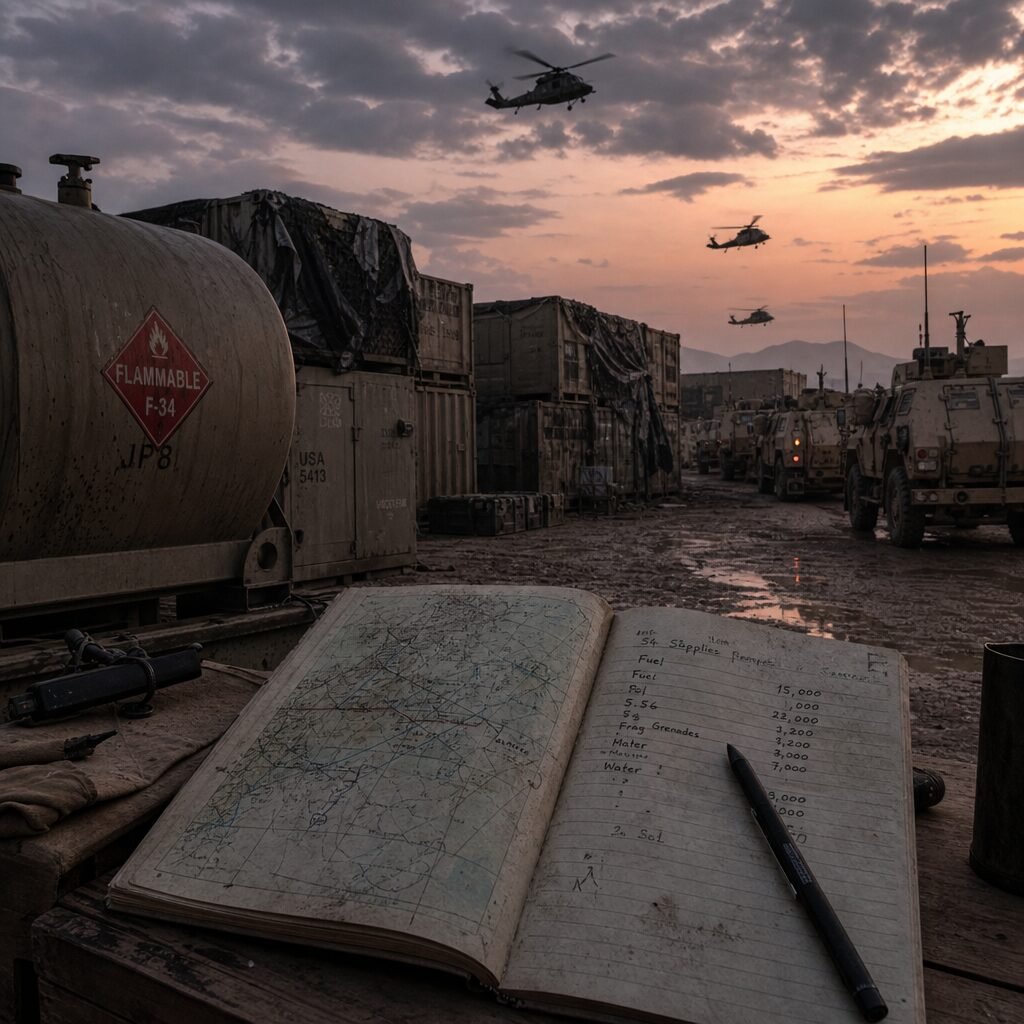
People romanticise combat but ignore the mundane fact that wars are won or lost by logistics. Poor-quality war is often logistical malpractice: ammunition shortages, fuel-running convoys taken by surprise, hospitals understocked. These are not incidental; they are fatal.
Journalists should follow the supply chain as diligently as they follow front-line heroics. Patterns such as recurrent equipment breakdowns, repeated pleas for supplies, or convoys stuck for days indicate systemic shortfalls rather than isolated incidents. Such failures presage higher casualties and an inability to consolidate gains.
Red Flag: Information Dysfunction — Lies, Noise and the Death of Truth
A modern poor-quality war thrives on information disorder. This includes deliberate deception, chaotic official messaging, and the proliferation of unverifiable claims. When facts are constantly disputed, planning becomes impossible and morale collapses.
Indicators include frequent retractions, multiple official narratives, and reliance on anonymous sources to justify escalations. Equally damaging are echo chambers that amplify tactical successes while minimising strategic losses. Effective journalism must filter noise, verify independently and expose inconsistent narratives.
Red Flag: Legal and Ethical Erosion — When the Rulebook Is Ignored
Quality wars respect constraints; poor-quality wars erode them. Signs include shrinking judicial oversight, the normalisation of unlawful targeting, and the use of emergency powers without sunset clauses. Once legal and ethical norms are sidelined, abuses proliferate and international legitimacy evaporates.
Look for changes in domestic law that expand detention without trial, instances of proportionality being dismissed, and obfuscation around rules of engagement. Those are not technicalities: they are predictors of long-term instability and reputational damage that make political repair harder after hostilities end.
How to Avoid Poor-Quality War: Repair, Rethink and Rebuild
Avoiding poor-quality war begins with honest diagnosis. Insist on clear political objectives tied to measurable outcomes and a publicly available strategic plan. Commit to logistical transparency: publish inventories, timelines and procurement audits where security allows.
Reinforce information integrity by empowering independent media and third-party verification. Embed legal safeguards with parliamentary oversight and enforceable accountability for violations. Finally, plan the endgame from day one: exit criteria, reconstruction financing and reconciliation mechanisms turn ephemeral gains into durable peace.
Practical Signals Citizens and Reporters Can Watch For
There are actionable cues beyond abstract discourse. Track procurement anomalies (late deliveries, repeated warranties), personnel churn in senior posts, sudden legal amendments, and patterns in casualty reporting. Attend hearings, read budgets, and compare battlefield claims with satellite imagery and NGO reports.
A compact checklist: clarity of objectives, supply-chain stability, coherent public messaging, adherence to law, and an articulated exit plan. If more than two of these are absent, the risk of a poor-quality conflict is high.
Lessons From History: Avoiding Repeatable Mistakes
History is a catalogue of low-quality wars that became interminable flounders: misread cultures, underestimated logistics, and political shortcuts that ballooned into crises. Equally instructive are cases where quality controls mattered — tough, narrow objectives; coalition diplomacy; robust planning — which limited scope and shortened costs.
The lesson is modest: craftsmanship in war is not a euphemism for efficiency alone but a discipline that minimises avoidable harm. Treating conflict like a process to be designed, monitored and audited changes incentives and, crucially, saves lives.
A Final Thought: Demand Better — From Leaders and From Ourselves
Citizens and journalists are not passive observers. By recognising red flags and demanding higher standards of planning, transparency and lawfulness, societies can deter poor-quality wars before they start. That requires scepticism of rhetoric, patience with scrutiny, and insistence on concrete criteria.
War will never be clean. But recognising the tell-tale signs of shoddiness — and insisting on remedial mechanisms — makes the difference between avoidable chaos and accountable policy. Quality, in this grim context, is a moral imperative.