
A different battlefield: why ‘war’ is now a verb as much as a noun
The word war used to summon trenches, uniforms and clear front lines. Today it describes an array of directed actions — digital, economic, legal, environmental — that scarcely resemble 20th‑century infantry engagements. This section argues the trend most worth noting: war is increasingly a process, a set of persistent operations institutions run against rivals rather than a single climactic event.
That shift transforms strategy. States and non‑state actors design continuous campaigns that stitch together cyber intrusions, trade restrictions, disinformation and calibrated kinetic strikes. The goal is not always territorial conquest but control of systems — data flows, supply chains, financial plumbing — whose disruption produces political leverage without the costs of total war. Understanding war as ongoing operational art reframes how we evaluate risk, measure victory and imagine deterrence.
Data, models and the automation of escalation
Recent years have seen an explosion in the use of AI models to plan, predict and even execute military actions. Far from science fiction, algorithms now prioritise targets, forecast enemy movement, tune propaganda and automate logistics. This is not simply a matter of better rifles; it is a qualitative change in decision velocity and opacity.
Two consequences follow. First, the speed of escalation compresses: automated systems can take inputs and convert them into effects faster than human deliberation cycles, increasing the risk of miscalculation. Second, accountability blurs: when an optimisation algorithm recommends a strike or a financial choke, responsibility diffuses across code, contractors and commanders. The trend pushes policymakers to create governance for machine‑mediated force before automation becomes the default in crisis.
The logistics front: supply chains as strategic terrain
Logistics have always decided wars, but the modern evolution turns global commerce into contested terrain. Manufacturing fragmentation, just‑in‑time inventories and single‑source dependencies make civilian supply chains shockable and strategically valuable. Actors exploit this by weaponising export controls, cyberattacks on ports and targeted sanctions to inflict political pain while avoiding open combat.
This trend also drives a new industrial geography: reshoring, friend‑shoring and the rise of strategic stockpiles. States increasingly think in terms of ‘supply‑chain resilience’ as a national security objective, investing in redundancy, domestic production of critical components and covert capabilities to interdict rivals’ logistics in a crisis.
Climate, migration and the slow burn of resource conflict
Climate change is shifting where and how conflicts ignite. Droughts, sea‑level rise and extreme weather compound governance failures and create tipping points that are as geopolitically potent as tanks. But climate‑driven conflicts are often slow, diffuse and multisectoral: water scarcity undermines agriculture, fuels rural‑urban migration, strains public services and becomes fodder for grievance and mobilisation.
The trend is twofold: first, environmental stress multiplies flashpoints and expands the types of actors involved; second, it forces militaries to prepare for humanitarian and stabilisation roles as much as conventional combat. The strategic calculus must now include climate modelling, infrastructure protection and long‑term demographic change.
Legal reframing and the sanitisation of force
A subtler trend is the legal and rhetorical packaging of hostile acts. States adopt euphemisms — ‘grey zone operations’, ‘lawfare’, ‘capacity building’ — to mask coercive intent while keeping below thresholds that would trigger collective defence. International law itself becomes a theatre: litigations, sanctions design and treaty interpretation are tools to delegitimise adversaries and win reputational battles.
This sanitisation lowers political costs of aggression. It also complicates deterrence: if coercion is framed as lawful assistance or commercial activity, allies may be slower to respond. The upshot is a legal arms race, where lawyers, economists and diplomats become as central to strategy as generals.
The human frontier: resilience, memory and adaptive communities
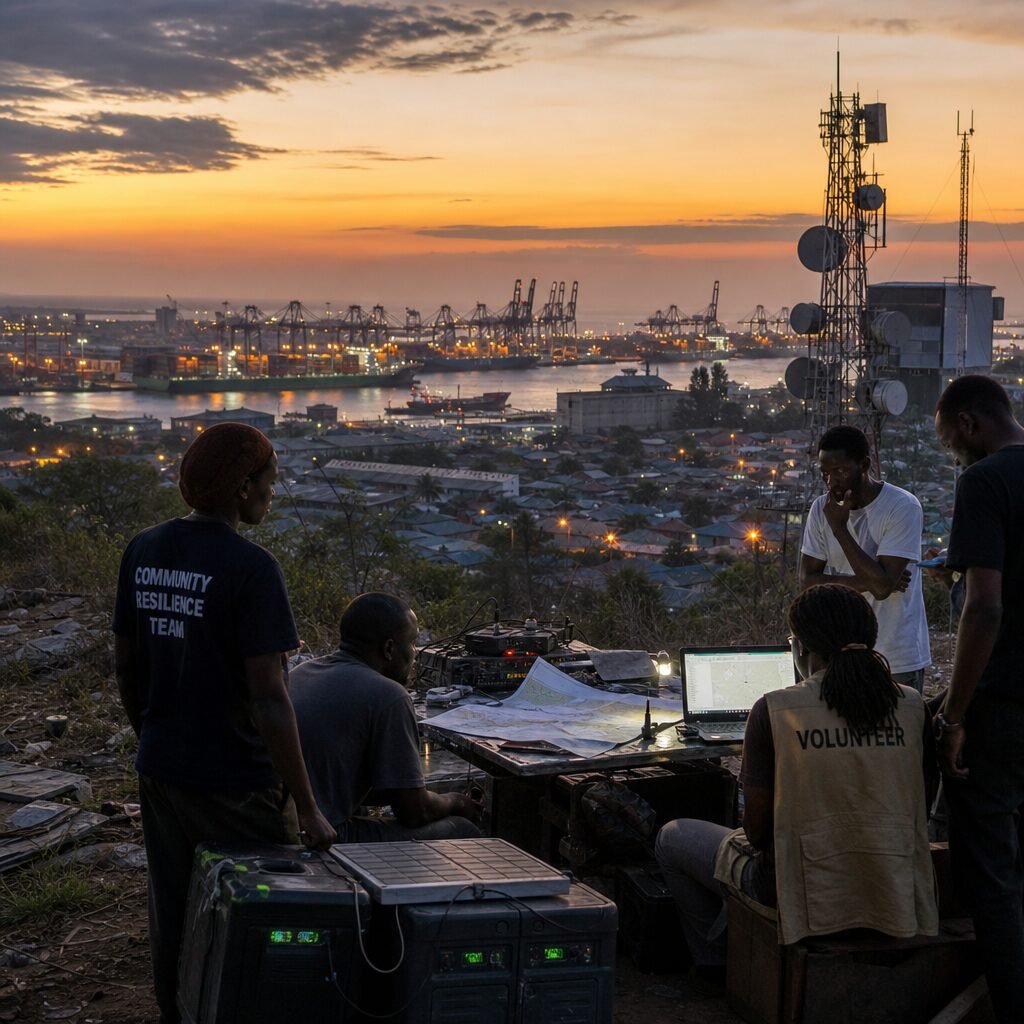
Despite technological and legal revolutions, the human dimension remains decisive. Civilians adapt quickly: improvised communications, barter economies, local defence initiatives and community archives morph into resilience infrastructures that governments cannot always control. This grassroots adaptive capacity is both a bulwark against coercion and a new axis of contestation.
Investing in social resilience — trust networks, decentralised services, trauma care and civic media literacy — is emerging as an essential defence policy. The trend reframes security spending: protecting populations through empowerment and redundancy may be as effective at deterring coercion as fielding more advanced weaponry.