
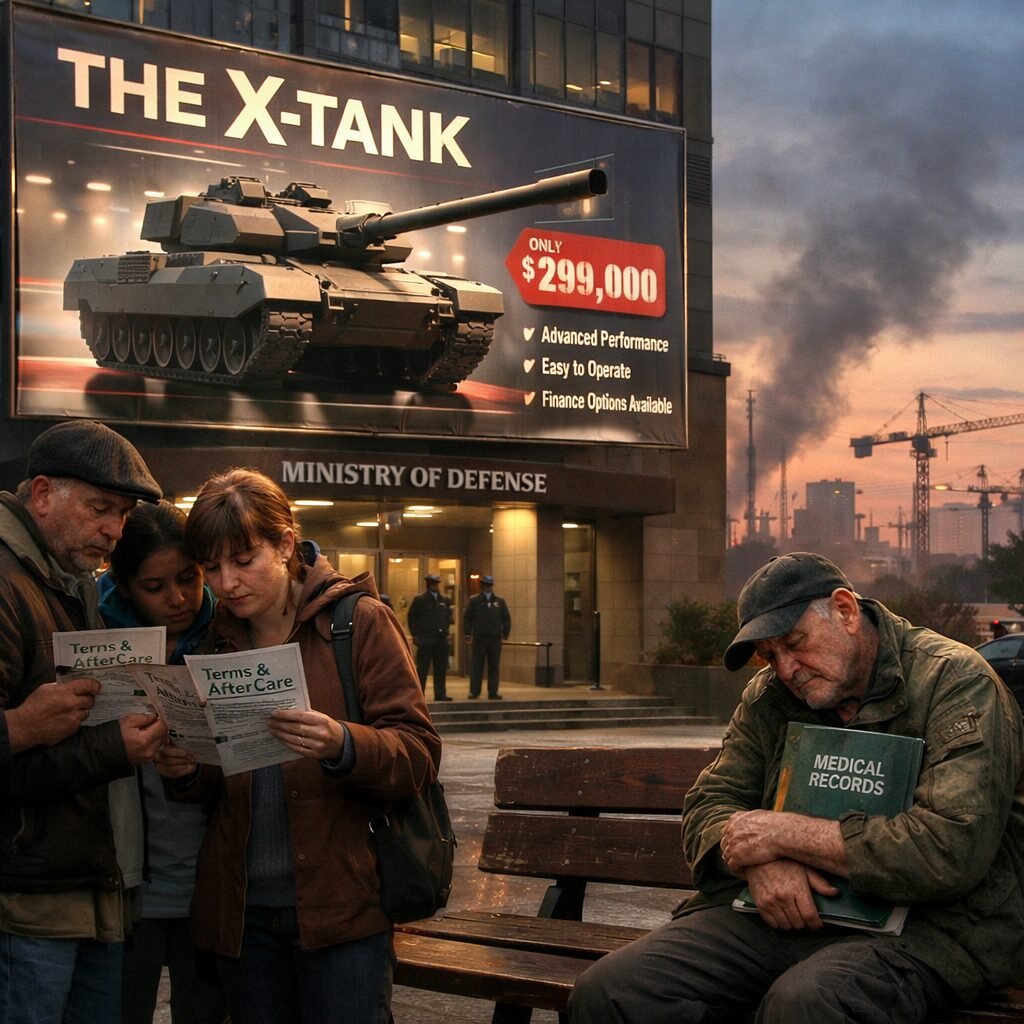
The Showroom: Treating War Like a Purchase
Imagine a glossy showroom where options are laid out: kinetic, proxy, cyber, or economic. First-time buyers—politicians, publics, coalitions—walk the aisles hearing persuasive sales pitches about immediate benefits: deterrence, regime change, speedy liberation. It feels like choosing a car variant, but the showroom illusion is deliberate. Marketing emphasises speed, precision and righteous intent while minimising the messy columns on the receipt.
A responsible first-time buyer should recognise that war is not an off-the-shelf commodity. It is a policy choice that bundles ideology, logistics, institutions and human lives. Treating it as an impulsive purchase risks overlooking compatibility: does this form of conflict sit with national institutions, legal obligations and civic values? Is there a maintenance plan? The quality of the sales pitch rarely maps to long-term suitability.
The Fine Print: Legal, Moral and Political Clauses
Every transaction carries terms and conditions. War’s fine print includes international law, rules of engagement, parliamentary oversight and domestic civil liberties. First-time buyers must understand these clauses before signing off. There are penalties for breaches—sanctions, tribunals, long-term diplomatic isolation—that function like hidden interest rates.
The moral contract is separate but binding in public life. Democracies purchase consent from electorates; authoritarian states rely on different mechanisms. Ignoring moral costs can erode legitimacy, fuel internal dissent and create a credibility deficit that outlasts the fighting. Read the clauses, and if possible, have them reviewed by independent institutions that can forecast compliance risk and reputational damage.
Hidden Costs: Economic, Environmental and Human Capital
Budgets presented pre-conflict are often optimistic. The sticker price may cover munitions and operations but omit reconstruction, veteran care, interest on debt and opportunity costs. A first-time buyer focused only on immediate objectives will be surprised by cascading expenditures: supply-chain disruptions, inflationary shocks, and diverted infrastructure spending that impede growth for years.
Environmental costs are seldom itemised. Warfare reshapes landscapes, contaminates waterways and accelerates resource depletion. Health impacts—both physical and psychological—translate into long-term human-capital losses. These are not intangible moral abstractions; they are measurable drains on productivity, public health systems and the labour market. Integrate robust cost-modelling into decision-making rather than relying on campaign rhetoric or short-term forecasting.
Aftercare and Maintenance: Veterans, Reconstruction and the Long Tail
Good purchases come with warranties and aftercare. War offers limited guarantees. The ‘after’ is often the most expensive and emotionally fraught phase: reintegrating veterans, rebuilding institutions, addressing trauma, and managing contested narratives. Many states mistake the end of combat for the end of responsibility, creating a maintenance backlog that spans decades.
A first-time buyer should demand a credible, funded aftercare plan before engaging. That includes accountable timelines for reconstruction, clear ownership of veteran services, mental-health provision and mechanisms for transitional justice. Those elements reduce recidivism into conflict, stabilise societies and—crucially—restore investor and citizen confidence.
Resale Value and Intergenerational Liability
Some purchases preserve or increase value; others saddle successors with liabilities. War bequeaths both assets and debts: strategic footholds, alliances and technological gains may sit alongside shattered infrastructure, demographic shifts and diplomatic wounds. Young citizens inherit these legacies, sometimes without having participated in the original choice.
First-time buyers must evaluate intergenerational impacts. Does the decision create obligations that future governments cannot escape? Are there reparative duties to displaced populations or environmental remediation that the next generation will have to finance? Ethical purchasing requires accounting for those future burdens and, if necessary, securing cross-party commitments to share long-term costs.
How to Shop: Questions Every First-Time Buyer Should Ask
Before saying yes to war, ask: What is the clear, achievable objective and the exit criteria? Who pays the bill now and who inherits the debt? What legal frameworks govern conduct and accountability? How will civilians be protected and resourced? What is the aftercare plan for veterans and reconstruction? Who are our partners, and what dependencies will those alliances create?
Demand independent forecasting—economic, environmental and social—and insist on transparent debate within representative institutions. Treat the decision like any large, irreversible purchase: seek second opinions, stress-test assumptions, and refuse to be rushed by rhetoric. If the answers are vague, the default should be restraint.