
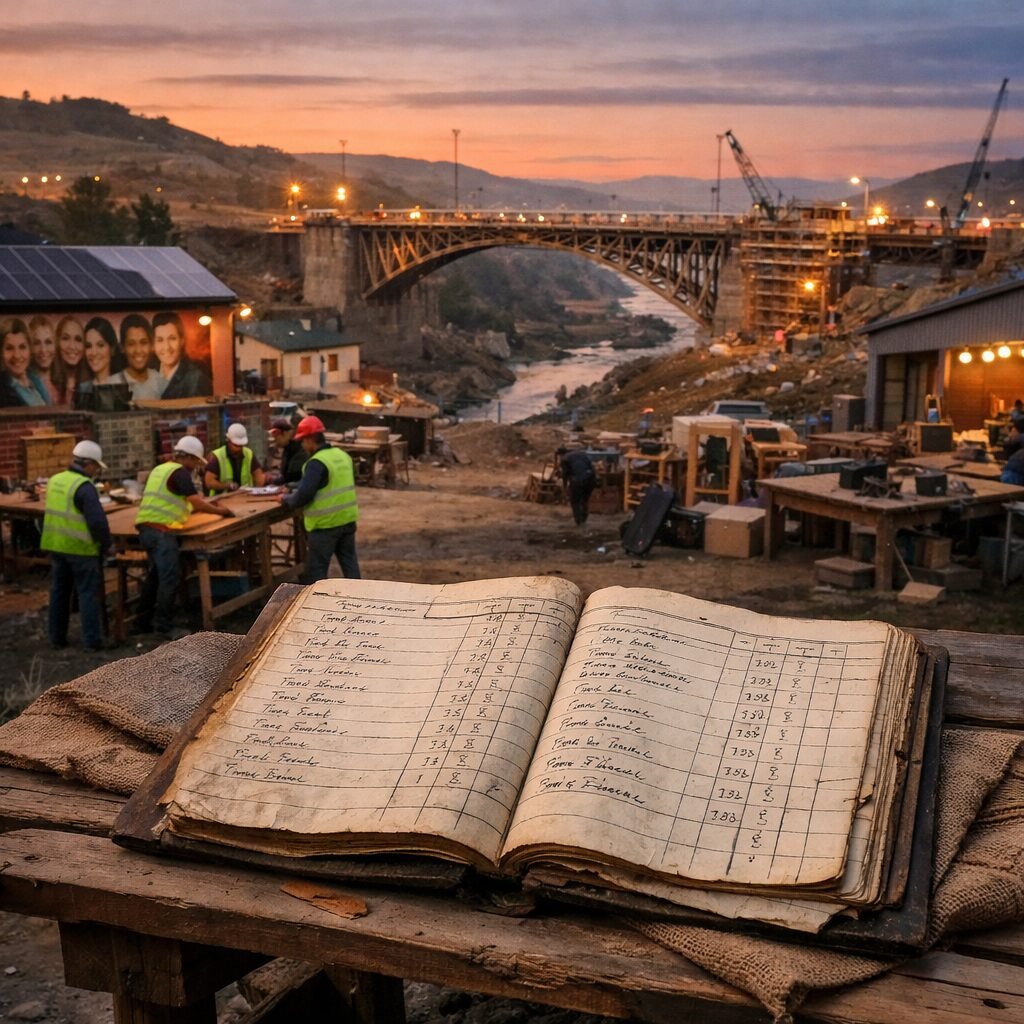
When Nations Purchase Conflict: Understanding the Premise
Imagine a cabinet table, a ledger and a single, terrible line item: the decision to wage war. ‘Buying’ war is not metaphor alone — it is a budgetary, political and social commitment. States, factions and corporate actors invest blood and treasure in conflict with expectations: territorial gain, regime change, resource access, deterrence. Seeing war as a purchased product reframes responsibility: every buyer can also be a steward of the aftermath. This section sets the frame: if you have ‘bought’ war — whether as a policymaker, proxy funder, or ideological sponsor — what does it mean to extract value from the expenditure while minimising harm? The language is deliberately transactional to force accountability and to imagine post-conflict value as concrete, measurable outcomes rather than trophies or headlines.
Redefining ‘Value’ After the Guns Fall Silent
Value after war rarely aligns with spoils. The narrowest reading — territory, resources, regime change — is often pyrrhic. Instead, the durable returns are institutional resilience, societal reconciliation, and sustainable security. Begin by auditing outcomes against objectives: who gained, who lost, what institutions survived, and which collapsed? A rigorous, independent post-conflict audit (financial, social and environmental) transforms vague victory claims into tangible metrics. These audits should drive compensation schemes, demobilisation budgets and reconstruction priorities. By insisting on measurable, time-bound deliverables, buyers can convert chaotic aftermaths into structured programmes that yield long-term dividends in stability and legitimacy.
Turning Military Assets into Civilian Public Goods
One surprising avenue for ‘value recovery’ is conversion: repurposing military assets for civilian benefit. Historically, technologies born in war — radar, jet engines, the internet — became civilian game-changers; deliberate conversion accelerates that process. Demilitarised shipyards, logistics hubs, training centres and research labs can become industrial parks, public transport depots or universities. Retooling arms production lines to manufacture infrastructure components, medical supplies or renewable-energy equipment offers employment for ex-combatants and preserves technical capacity. To succeed, conversion programmes need legal clarity on ownership, conditional finance tied to civilian outputs and partnership with local entrepreneurs and universities.
Investing in Truth, Reparations and Collective Memory
Value gleaned from a conflict is not merely economic; it is moral and social. Truth commissions, public apologies, and carefully designed reparations programmes rebuild the social contract and prevent cycles of grievance. Effective reparations combine monetary compensation with symbolic recognition: memorials, records of lost lives, and institutional reforms acknowledging responsibility. Memory work must be plural and inclusive, resisting the temptation to institutionalise a single narrative of ‘our’ victory. When done well, these processes foster reconciliation, reduce insurgent recruitment, and create a civic foundation upon which post-war economies and democracies can flourish.
Policy Shopping List: Practical Steps for Buyers to Maximise Post-Conflict Returns
1) Mandate independent post-conflict audits within six months of hostilities ceasing; tie future aid and reconstruction contracts to audit findings. 2) Condition military procurement on post-conflict conversion plans that outline how assets would pivot to civilian uses. 3) Establish truth and reconciliation mechanisms with binding follow-up: vetting, institutional reform and reparations finance. 4) Create public–private bridges: incentivise firms to hire demobilised personnel through subsidies and tax relief in exchange for workforce retraining commitments. 5) Fund civic infrastructure first—courts, local governance, schools—before headline infrastructure projects, to seed legitimacy and local ownership. These steps turn a one-time expenditure into an investment portfolio aimed at durable returns.
The Ethics of Extracting Value: Limits and Red Lines
Not everything should be monetised. Treating war purely as an asset-stripping opportunity risks normalising conflict and instrumentalising suffering. Buyers must accept ethical red lines: no profiteering from human suffering, no privatised detention or unaccountable security firms, and no trade-offs that sacrifice human rights for short-term stability. International law, transparent oversight and civil society participation are non-negotiable constraints on post-conflict value-extraction. Recognising these limits preserves legitimacy and prevents the very grievances that give rise to further conflict.
Long-Term Payoffs: How Post-War Stewardship Shapes Regional Order
Historical patterns are clear: countries that turn reconstruction into reform — using post-conflict windows to strengthen institutions, modernise economies and integrate into regional systems — tend to secure the greatest dividends. Buyers who invest in multilateral frameworks, cross-border infrastructure and trade integration convert war’s costly disruption into opportunities for competitive advantage within the region. Conversely, purchasers who neglect governance and rely on force-alone solutions often sow the seeds of chronic instability and repeat intervention. Strategic, ethical stewardship after purchase can therefore reshape not just a single polity but an entire regional order.