
Introduction: An Uncomfortable Question
War is, by any humane measure, a catastrophe: loss, displacement and trauma. Yet history is complex, and human societies often extract unexpected outcomes from catastrophe. This piece does not glorify conflict; it examines subtle and frequently overlooked consequences of war that have reshaped medicine, governance, industry and culture. By naming these effects we can better understand how societies adapt and, crucially, how to channel those dynamics away from future violence.
Any analysis of “benefits” must begin with caution. Describing positive outcomes is not a justification of violence but an effort to learn how innovations and social transformations prompted by crises can be replicated without war.
Medical Breakthroughs: Trauma Becomes Treatment
The battlefield has repeatedly been a crucible for medical innovation. Urgent need accelerates experimentation and collaboration: antiseptics, blood transfusion protocols, reconstructive surgery and triage systems all advanced rapidly under wartime pressures. World War I and II catalysed modern plastic surgery techniques and mass blood-banking; Vietnam accelerated trauma care and emergency evacuation methods that underpin today’s civilian emergency medicine.
These advances saved countless lives in peacetime. Lessons learnt treating blast injuries and polytrauma have informed emergency room protocols and rehabilitation services. The ethical lesson is clear: the frameworks that allowed rapid medical progress during war—interdisciplinary teams, streamlined approvals, intensive field testing—could be mobilised in peacetime for grand challenges like pandemics or mass casualty preparedness, without the human cost of conflict.
Women, Work and Social Reconfiguration
War has, paradoxically, been a major accelerator of social change—particularly gender roles. When men were mobilised en masse, women entered factories, farms and offices in unprecedented numbers. The wartime workforce demonstrated competence in roles previously considered unsuitable for women, creating persuasive evidence for social and legal reforms.
Post‑war periods often produced expanded suffrage, labour rights and educational opportunities. While this shift was uneven and sometimes reversed, the structural disruption created openings for long-term progress. Studying how wartime necessity dismantled rigid labour divisions can inform deliberate peacetime policies to promote equality: targeted training, flexible labour policies and credible entry pathways into high‑skill sectors.
Technological Leapfrogging and Dual-Use Innovation
Conflict incentivises rapid technological development. Communication, logistics and surveillance needs push engineers and states to solve problems at scale. Radar, jet propulsion, rocketry and the early internet were all propelled by military investments. Often those technologies later find civilian applications: satellite navigation, commercial aviation, and telecommunications among them.
Crucially, the wartime model shows how concentrated funding, clear strategic goals and public–private collaboration can compress decades of development into a few years. Replicating that coordination for climate mitigation, energy transition or global health could accelerate solutions without the moral wreckage of war. Transparency, civilian oversight and ethics must be baked into such programmes to avoid militaristic harms.
Administrative Modernisation and State Capacity
Stretching governments to their limits forces institutional innovation. Conscription, rationing and logistics require large‑scale record‑keeping, supply‑chain management and fiscal innovation. Countries at war often build administrative capacities—tax systems, statistical agencies, civil registries—that later underpin modern governance and public services.
These institutional gains are not automatic; they can be repurposed for repression as well as welfare. The lesson is that capacity-building in peacetime—investing in transparent, accountable institutions—can provide the same resilience and coordination without coercion. War demonstrates what states can do when pressed; democracies should channel that potential constructively.
Cultural Renewal: Memory, Art and Storytelling
Conflict imprints itself on literature, film, music and visual art in ways that shape national identity and moral reflection. From Wilfred Owen’s poems to modern cinema, artistic responses to war force societies to grapple with trauma, heroism and culpability. This cultural processing can lead to richer public discourse and a stronger commitment to peace when societies confront atrocities honestly.
Moreover, diasporas created by war contribute to cultural cross‑pollination: culinary traditions, languages and artistic forms migrate and evolve. Recognising this creative afterlife is not to romanticise suffering but to acknowledge human resilience and the ways memory can catalyse empathy and reform.
Environmental Surprises: Abandonment and Rewilding
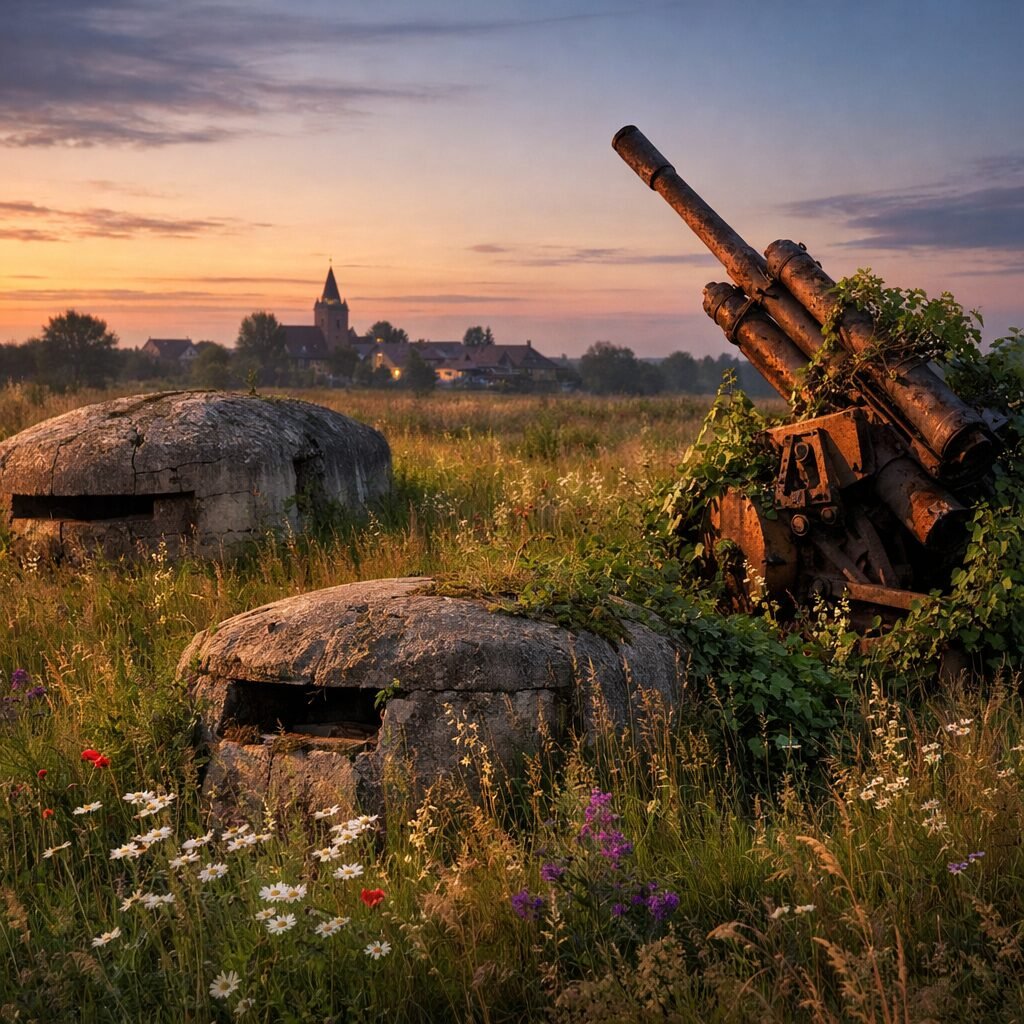
On maps, frontlines appear as scars; on the ground, however, some battlefields have become inadvertent refuges for wildlife. The demilitarised zone between North and South Korea, former European frontlines and other restricted areas have seen ecological recovery simply because human activity ceased. Abandoned farmlands and exclusion zones sometimes regain biodiversity at rates unexpected by ecologists.
This phenomenon highlights an uncomfortable truth: human pressure is often the primary driver of habitat loss. If societies can achieve such gains through deliberate conservation policies—protected corridors, rewilding projects and sustainable land‑use—then the ecological “benefit” observed after war can be pursued without devastation.
Legal and Normative Progress: Human Rights and Accountability
The aftermath of large‑scale conflict has precipitated important legal innovations. The Nuremberg trials, Geneva Conventions and subsequent human rights treaties arose in response to wartime atrocities and created new norms of accountability. International law and institutions—imperfect though they are—expanded because states recognised the need for rules to constrain violence.
These developments show a painful pathway from horror to reform. It suggests that international community building, juridical mechanisms and stronger enforcement of norms can be promoted proactively, addressing impunity and humanitarian crises before they escalate into full conflict.
Conclusion: Learning the Right Lessons
The hidden effects of war span medicine, gender roles, technology, governance, culture, ecology and law. None of these mitigate the moral catastrophe of violent conflict. Yet by studying how positive transformations emerged from calamity, policymakers and citizens can identify mechanisms to achieve similar outcomes deliberately and ethically.
If we extract the organisational energy, funding models and social experiments that war has historically produced and redirect them into peaceful, democratic channels, society might secure the “benefits” without the human toll. That synthesis—transforming lessons of destruction into foundations for resilient, equitable and sustainable change—is the practical and moral imperative.